


I recently had the pleasure of putting some critical questions to Eden Chen, CEO of FirstLook, an industry-leading playtesting, engagement and analytics, and creator marketing firm that’s a couple of years deep into the gaming space.
We were talking about what it takes to make a game these days, discussing the importance of creating an ecosystem around a community, and how pivotal it is to consider accessibility and feedback. Given his background at FirstLook, Chen served as the perfect peer for this line of thinking.
‘Studios Are Building Communities Much Earlier’
In the gaming space, standing up a new IP is extremely tough. Recently, Newzoo published a report about GTA 6 and how it could make more than $5 billion in a single week, mostly because it’s an extension of a long-standing series with a serious community behind it.
That’s the dream for anyone building a new franchise, as getting something off the ground and standing out in this oversaturated market is extremely tough. That’s something that developers and publishers are acutely aware of, according to Eden Chen, and they’re pivoting to counter the concern:
The biggest change has been moving from launch-focused development to community-focused development. Studios are building communities much earlier in development and using playtests, feedback, and player behaviour to shape decisions long before release.
Competition has never been higher, and players have more choice than ever. That means studios can’t simply build a game and hope players arrive at launch.
They’re increasingly measuring community health, sentiment, and retention.
It’s a good point, and we can see workable examples of it everywhere in the modern gaming space. From developers standing up test servers and environments to community managers hosting Discord servers to allow players to connect with those making the game, it’s now all about keeping the prospective player (or the existing fan) in the loop.
Chen suggested that it’s critical to success:
The studios that start listening to players earlier are generally in a much stronger position by launch.
These days, we see plenty of games launch in an early access state, which allows studios to raise funds to push the development of their title further. It’s different from traditional playtests, as studios can earn from an early access launch, but it seems that the concept of a test is becoming increasingly prevalent.
Everything from AAA shooters like Call of Duty to micro-budget indie games puts out playtests and beta phases to gather feedback.
That feedback isn’t always direct, either, as Chen pointed out:
What players actually do is often far more valuable than what they say. Are they returning for multiple playtests? Are they inviting friends? Are they engaging with the community over time? Those are the signals that give studios confidence they’re building something players genuinely want.
Keep Gaming Accessible
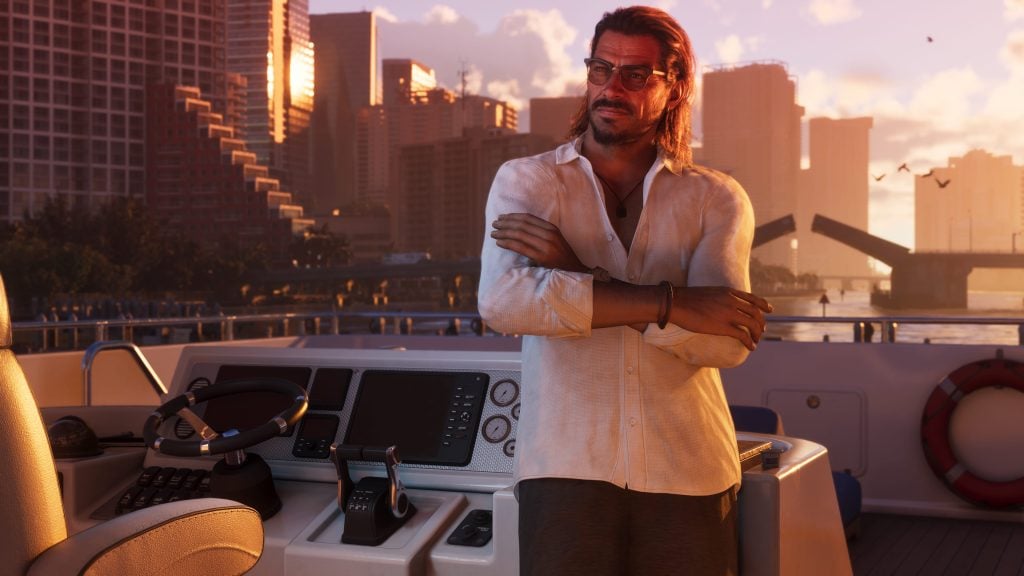
One debate that has had a firm lock on the gaming community in recent months is the notion of price points. The emergence of Grand Theft Auto 6 led to the longest discussion about how much it will cost.
We know the price now, but for months, it was the biggest point of contention in the gaming space, with many hoping Take-Two and Rockstar would listen to the community and not price them out of accessing the most highly anticipated game in years.
Chen agreed with this line of thinking:
Before Rockstar confirmed the game’s retail price, our research found that gamers expected GTA 6 to cost around $78 on average, suggesting players already recognized it as a premium title.
At the same time, 59% of players said they would consider a $100 price tag too expensive, showing there’s still a clear psychological barrier when it comes to game pricing.
We’re already seeing cost pressures across the industry… This creates a real accessibility challenge for gaming. As hardware becomes more expensive, the players who do invest tend to become even more engaged and selective about the games they spend time and money on.
That said, Chen doesn’t think that just because Take-Two is charging $80 for Grand Theft Auto 6, a new precedent will be set and more publishers will pump up the prices of their games. We’ve seen some super-small games emerge with minuscule price points in the last couple of years, and they’ve gone on to sell millions and win awards.
- RELATED: It Makes Sense To Pay $100 For GTA 6
Players will continue to weigh every purchase more carefully, and publishers will need to demonstrate why their games are worth that investment. We’re also seeing studios with more focused budgets find significant commercial success.
Meccha Chameleon has sold over 10 million copies, it was made in two months and costs just $5.99.
It shows there’s still plenty of room in the market for games that deliver a compelling experience without blockbuster development costs.
The idea of a successful game often starts and ends with the community behind it. If you can’t retain players, you can’t keep your game afloat, and retention begins with onboarding. If people come and leave too quickly, that’s one problem, but if they don’t come at all, you’ve got a catastrophe on your hands.
We’ve seen that very situation knock games off the market. Earlier this year, Highguard was shut down after a few weeks on the market; last summer, XDefiant was taken offline, and before that, Spectre Divide was sunsetted after mere months online.
Do you agree that developers absolutely must build a community before they take great strides to produce their game? Let us know your thoughts on the Insider Gaming Discord server.
For more Insider Gaming coverage, check out our exclusive interview with a former PlayStation veteran about digital games, and for even more Insider Gaming delivered directly to your inbox, sign up for our newsletter

Grant has been gaming for 30+ years and in the industry for 10+. You'll probably find him playing a post-apocalyptic game or an extraction shooter somewhere.
More from Grant Taylor-Hill