

I grew up watching Wuxia classics such as Hero (Ying Xiong), House of Flying Daggers, and Crouching Tiger, Hidden Dragon. What captivated me most was not only the breathtaking martial arts choreography, but also the ideas of honor, duty, and morality that so often defined their protagonists.
That connection to the genre began when I was still a child, long before I fully understood those ideas. Perhaps that is why Phantom Blade Zero immediately caught my attention the moment its reveal trailer debuted. It appeared like a game built around everything I had admired in Wuxia cinema for years.
Last year, I got to play an early demo at Gamescom, and I could hardly believe Phantom Blade Zero was real. Fortunately, I later received access to the full game ahead of launch, and after spending roughly 40 hours with it, I can confidently say this: not only is it real, it stands among the finest action games ever made.
The Brutality of the Wulin
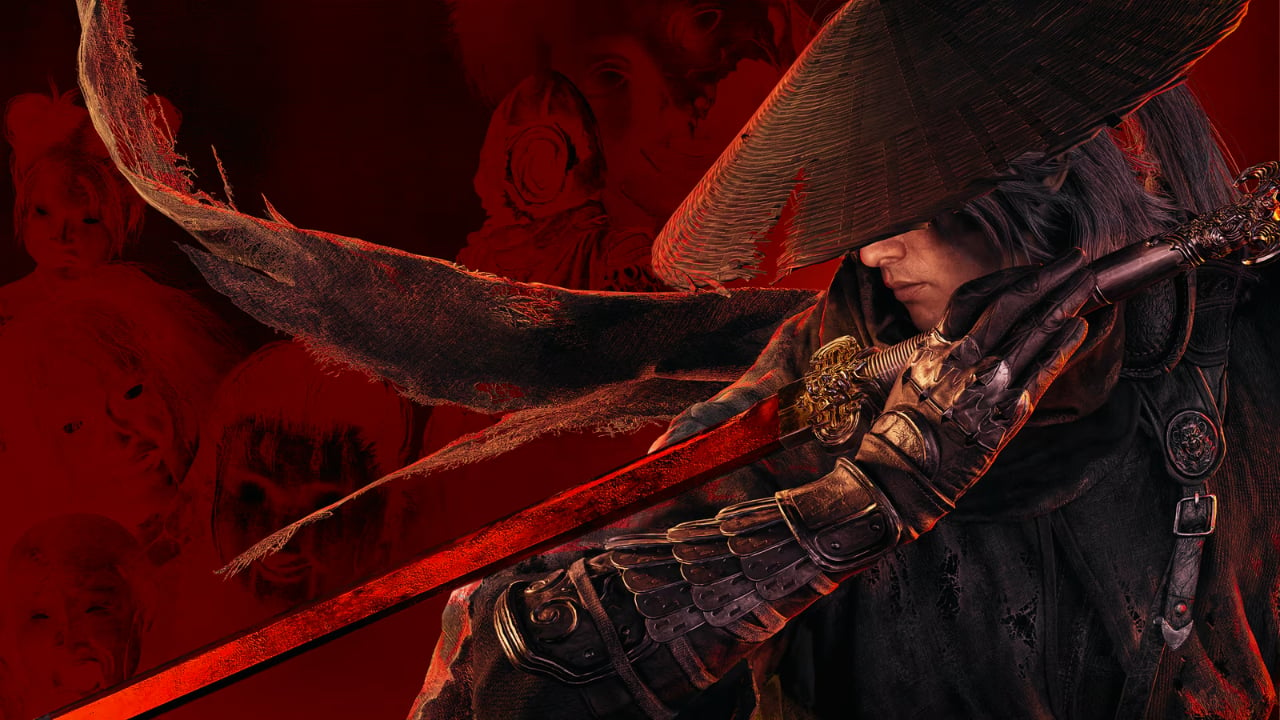
Phantom Blade Zero follows Soul, one of the deadliest operatives within the Order, a secretive organization that operates from the shadows of the Wulin, the game’s martial arts world.
After being framed for the murder of the Order’s leader, Soul quickly finds himself hunted by former allies. This premise sets the story in motion, sending him on an unstoppable journey of revenge as he uncovers the truth behind the conspiracy.
The narrative is fairly straightforward. Cutscenes and dialogue explain the central plot, but many of the most important details are hidden within optional documents scattered throughout the world. In fact, fully understanding the story all but requires reading a significant portion of these entries.
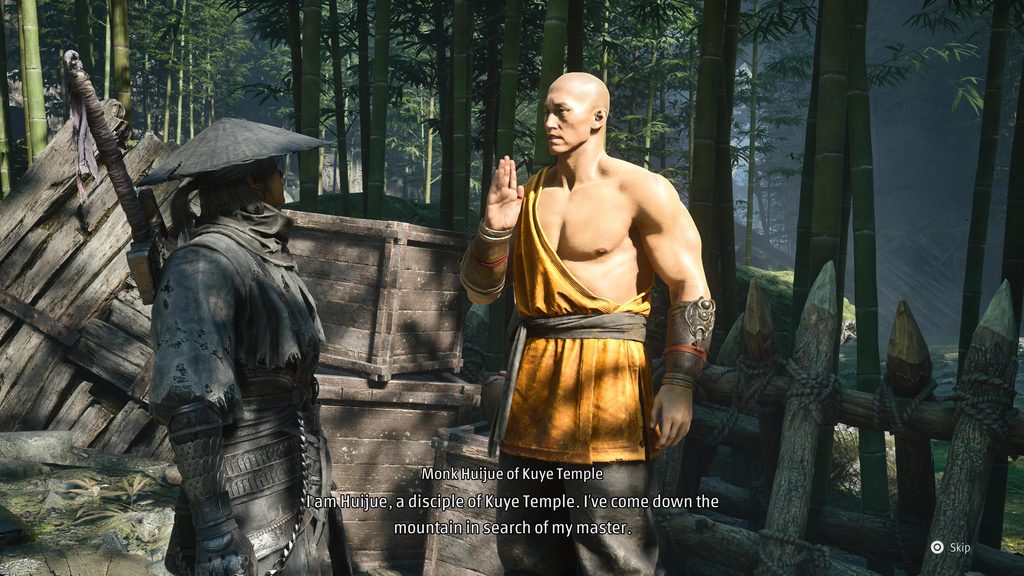
The plot revolves around numerous sects, factions, and individuals pursuing their own agendas, and it often takes a surprisingly Machiavellian approach. While many characters adhere to strict codes of honor rooted in Wuxia traditions, others are driven entirely by ambition, influence, and the subjugation of the weak.
I was also surprised by how willing the game is to explore darker subject matter. Some side quests deal with deeply disturbing issues, including child abduction rings operating for sinister purposes. The Wulin is a harsh and merciless place, and Phantom Blade Zero never shies away from depicting that cruelty, both narratively and visually.
What makes the setting particularly compelling is the way it establishes its own identity. The game combines classic Wuxia concepts with steampunk influences, creating something distinct from either genre alone. At the center of this fusion is Sha-Chi, the life force that governs martial arts and serves as the foundation of power throughout the Wulin.
The pursuit of greater strength has led many factions to experiment with artificial methods of amplifying Sha-Chi, resulting in a process known as Transcension. However, such shortcuts come with a heavy price, often eroding a person’s sanity in exchange for power.
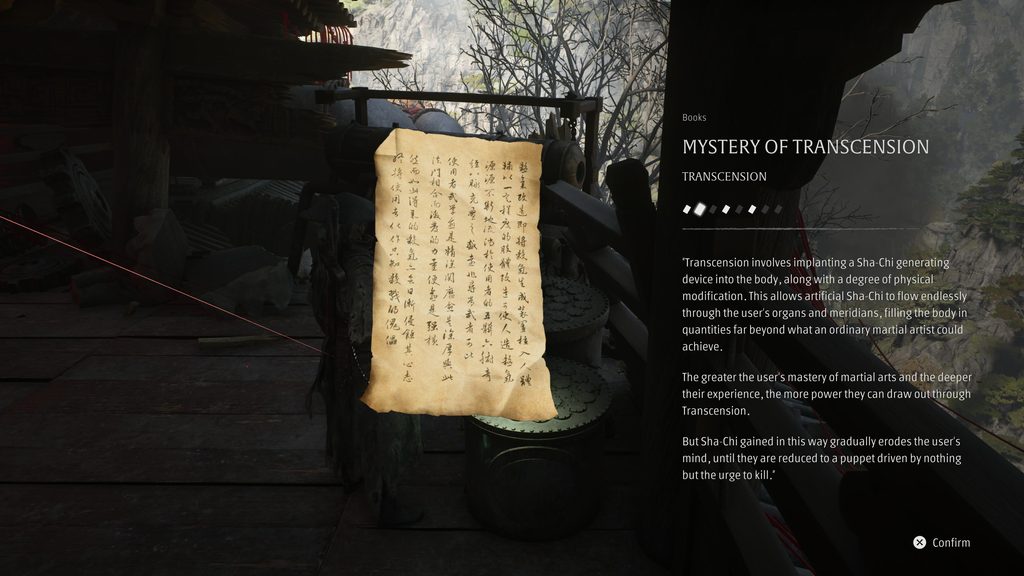
Knowing these concepts is essential to appreciating the story. Fortunately, the game encourages players to participate with its lore. Each document you collect awards Phantom Dust, a resource used to learn new abilities and upgrade equipment. In terms of length, a completionist playthrough generally takes between 45 and 50 hours, depending on player skill and chosen difficulty settings.
The Birth of a New Genre: Kungfupunk
One of the most common questions surrounding Phantom Blade Zero is whether it is an RPG or a Soulslike. The answer is neither. At its core, the game is an action title that borrows selected elements from both genres without fully committing to either.
There is no traditional leveling system. Instead of gaining experience points, character progression is tied to collectible items. Sha-Chi Amber increases your energy reserves, Blackstone boosts damage output, and Memory Flowers raise maximum health.
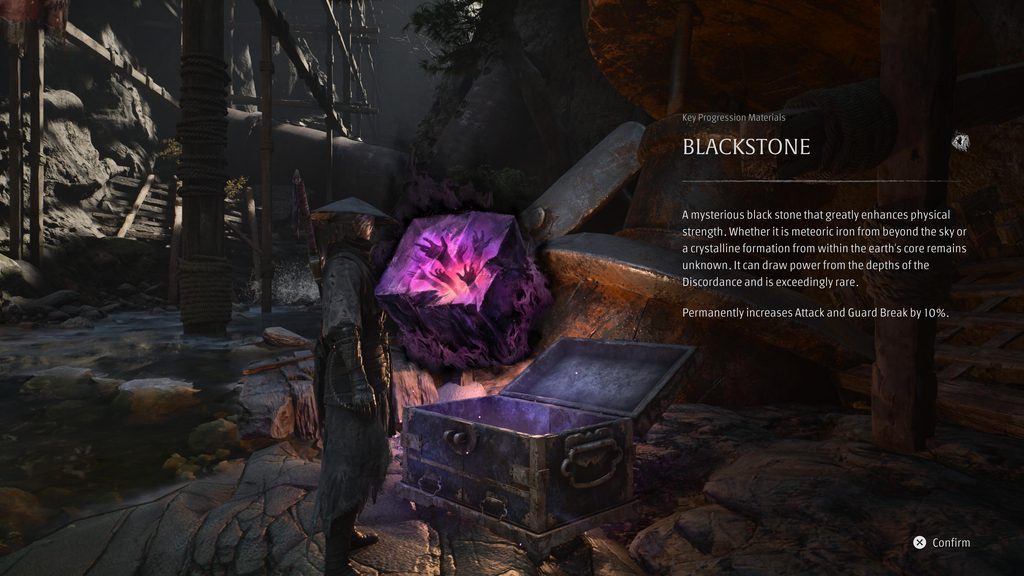
This approach looks reminiscent of many hack-and-slash games from the 2000s, particularly God of War. Likewise, the level design follows a similar philosophy. Environments are largely linear, with limited branching paths and an emphasis on vertical exploration. Because maps remain relatively compact and nearly every path serves a purpose, exploration always feels worthwhile rather than time-consuming.
I was deeply impressed by the game’s take on Metroidvania-style progression. Throughout the world, players encounter blocked routes that require specific Phantom Edges to overcome. These tools vary considerably. One functions as a grappling hook, another breaks reinforced chains, while others extinguish flames, opening access to previously unreachable areas.
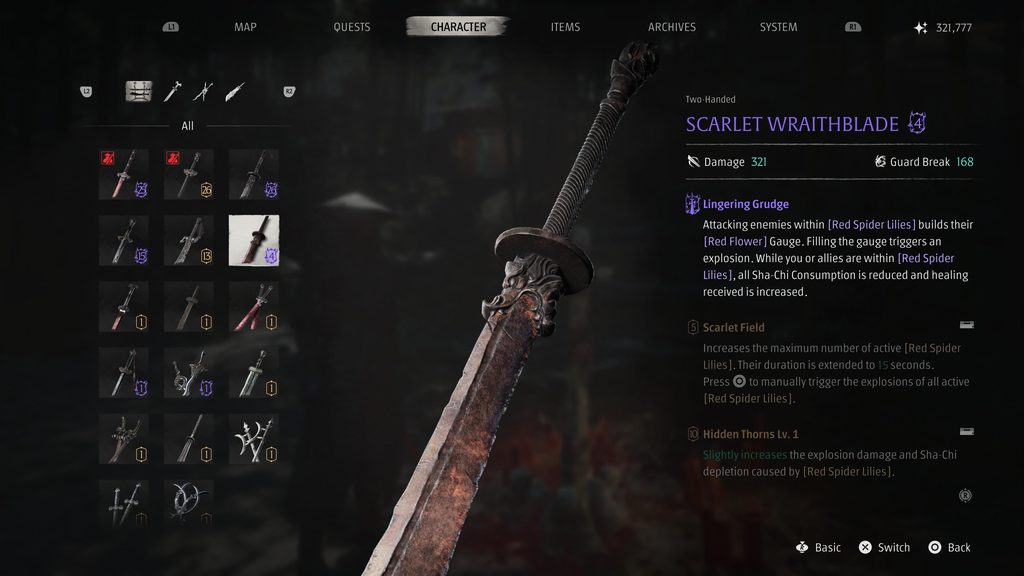
Although it isn’t an RPG, Phantom Blade Zero offers remarkable build variety. Players can equip two primary weapons, two Phantom Edges, multiple active abilities, and a range of accessories that provide passive bonuses.
The weapon roster is extensive, featuring one-handed swords, spears, greatswords, bows, rifles, and many more. Most importantly, nearly all of them feel viable and well-balanced, creating a genuine sense of freedom in how you approach combat.
One of my favorite features is the ability to reset weapons and Phantom Edges to their initial level, recovering every resource invested in them. This encourages experimentation and prevents players from feeling locked into a single playstyle.
The enemy roster is just as impressive, featuring dozens of regular foes and a large number of unique bosses. However, the game begins recycling enemy types more frequently once you reach the Pangzhen region. While not a deal-breaker, the repetition can become noticeable during extended play sessions.
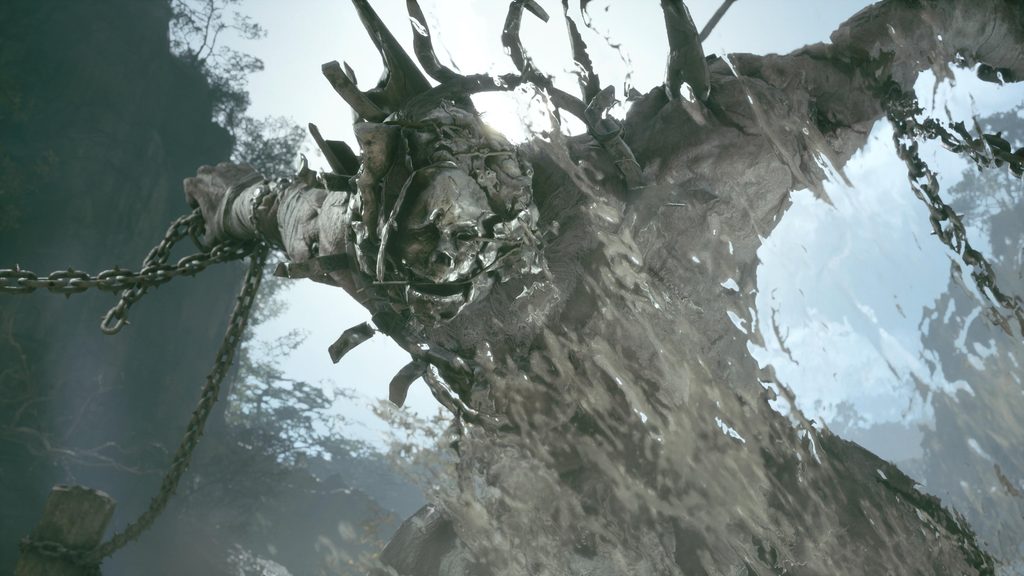
Fortunately, the sheer variety of weapons helps lessen this issue. Combat itself is built around persistent aggression. Both Soul and his enemies possess Sha-Chi gauges that function similarly to stamina meters. Breaking an opponent’s gauge creates a substantial opening for devastating combo sequences.
Notably, standard attacks do not consume Sha-Chi. Only special Sha-Chi attacks require resource management, letting players to maintain constant offensive pressure.
Weapon depth expands even further midway through the game with the introduction of Tempering. This system allows Soul to awaken specific weapons and Phantom Edges, activating new effects, properties, and combat options that meaningfully transform their functionality.
Given the game’s offensive focus, mastering the parry system is essential. Thankfully, it feels incredibly responsive, frequently evoking memories of Sekiro: Shadows Die Twice at its best.
Boss encounters are where Phantom Blade Zero truly shines. Each major confrontation feels mechanically distinct and visually memorable, with new bosses introduced at a steady pace throughout the adventure. The result is a consistently engaging experience that recalls the strongest aspects of Black Myth: Wukong.
A Beautiful Dance
Phantom Blade Zero boasts extraordinary art direction, and Michael Chang’s involvement goes a long way toward explaining why. For those unfamiliar with his work, he contributed to the visual identity of both Demon’s Souls and Dark Souls.
The Wulin is a grim and war-torn realm, and that atmosphere permeates every environment. Decapitated bodies, impaled soldiers, ruined settlements, and battle-scarred landscapes constantly reinforce the sense of a world on the brink of collapse.
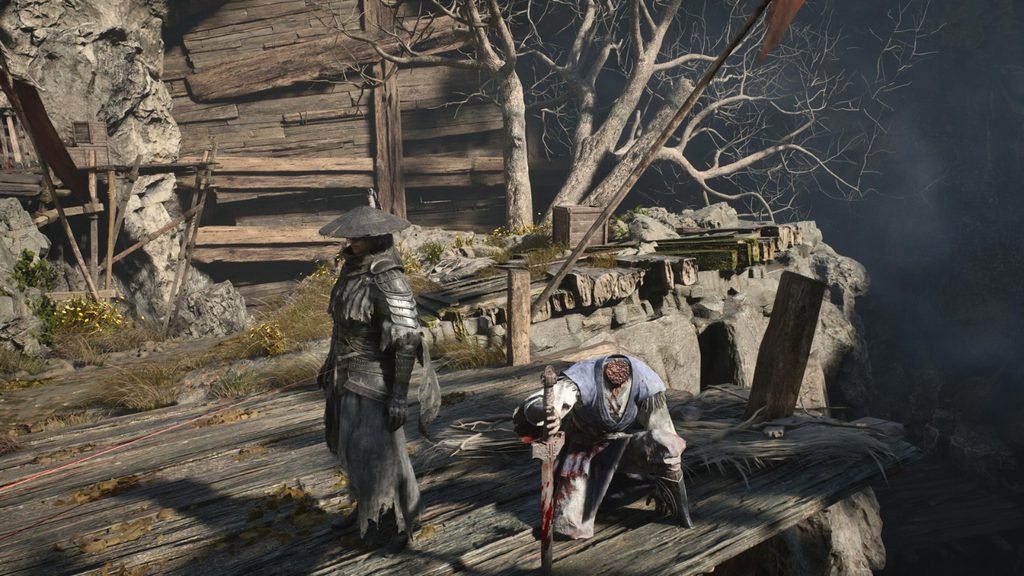
Enemy and boss designs are just as impressive, blending Chinese cultural influences with steampunk aesthetics and subtle touches of existential and cosmic horror. The result is a fictionalized vision of Ming Dynasty China unlike anything else currently available in gaming.
Much of the visual presentation draws inspiration from Shuimohua, a traditional Chinese ink painting technique. This influence shows up in the game’s distinctive lighting and rendering systems, which emphasize monochromatic contrast.
Foreground elements often appear darker, while distant structures fade into brighter tones, creating a strong sense of depth. It almost feels as though blood and rust, two recurring visual motifs throughout the game, have been painted directly onto the screen.
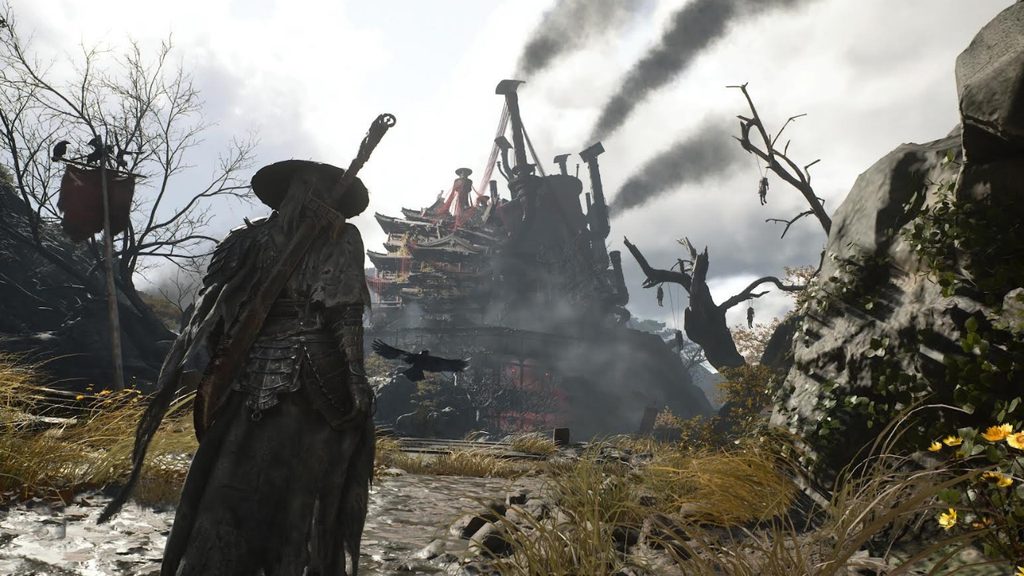
The technical artistry extends beyond environmental design. Animation quality is exceptional and comfortably rivals, if not surpasses, many modern AAA productions.
Different weapons produce entirely different movement styles, and every animation moves smoothly into the next. Some boss encounters are so visually spectacular that they feel as much like choreographed performances as traditional battles.
The audio design is just as impressive. Lead composer Caisheng Bo adopts a bold and innovative philosophy by mixing traditional Chinese instrumentation with modern musical influences. Throughout the soundtrack, classical melodies merge seamlessly with EDM, heavy metal, and hip-hop rhythms.
The result is one of the most distinctive and memorable soundtracks I have experienced in recent years.
The creativity reaches another level during certain boss encounters, where enemy attacks subtly synchronize with the music even though the game is not rhythm-based. These battles feel like deadly dances, capturing the elegance and intensity which defined the greatest Wuxia films.
Smooth as Silk
I played Phantom Blade Zero on the PS5 Pro and encountered virtually no technical issues throughout my playthrough. The game offers three graphical modes. While I spent much of my time in Balanced Mode and was impressed by its image quality, Performance Mode ultimately provides the best overall experience. In a game this demanding, every additional frame matters.
The only noticeable frame-rate drops occurred in the Pangzhen region during sequences featuring heavy rainfall. Since my playthrough took place well before launch, day-one updates may address the issue.
I also encountered a single boss with an inconsistent hitbox, where attacks occasionally failed to register despite clearly connecting. Since this problem was isolated to one encounter, it will likely be corrected by launch as well.
Phantom Blade Zero Review Verdict
I expected Phantom Blade Zero to be good. What I did not expect was for S-Game to exceed virtually every expectation I had.
The studio has crafted an exceptional action game that combines the traditions of Wuxia storytelling with enough originality to form a clear identity of its own. Soul may not have the immediate mythological appeal of Wukong, but he proves something equally important: Chinese developers have firmly established themselves as major players in the AAA single-player space.
Phantom Blade Zero delivers exhilarating combat, outstanding boss encounters, remarkable artistic direction, and a fascinating world that constantly rewards curiosity. Despite a few minor shortcomings, it is an easy recommendation for anyone who appreciates action games at their finest.
Phantom Blade Zero
 9
Phantom Blade Zero

Ruan está cobrindo a indústria dos games desde 2017, trazendo várias informações sob a ótica do mercado e reviews após o 100%. Quando ele não está escrevendo, está jogando algum…
More from Ruan Almeida